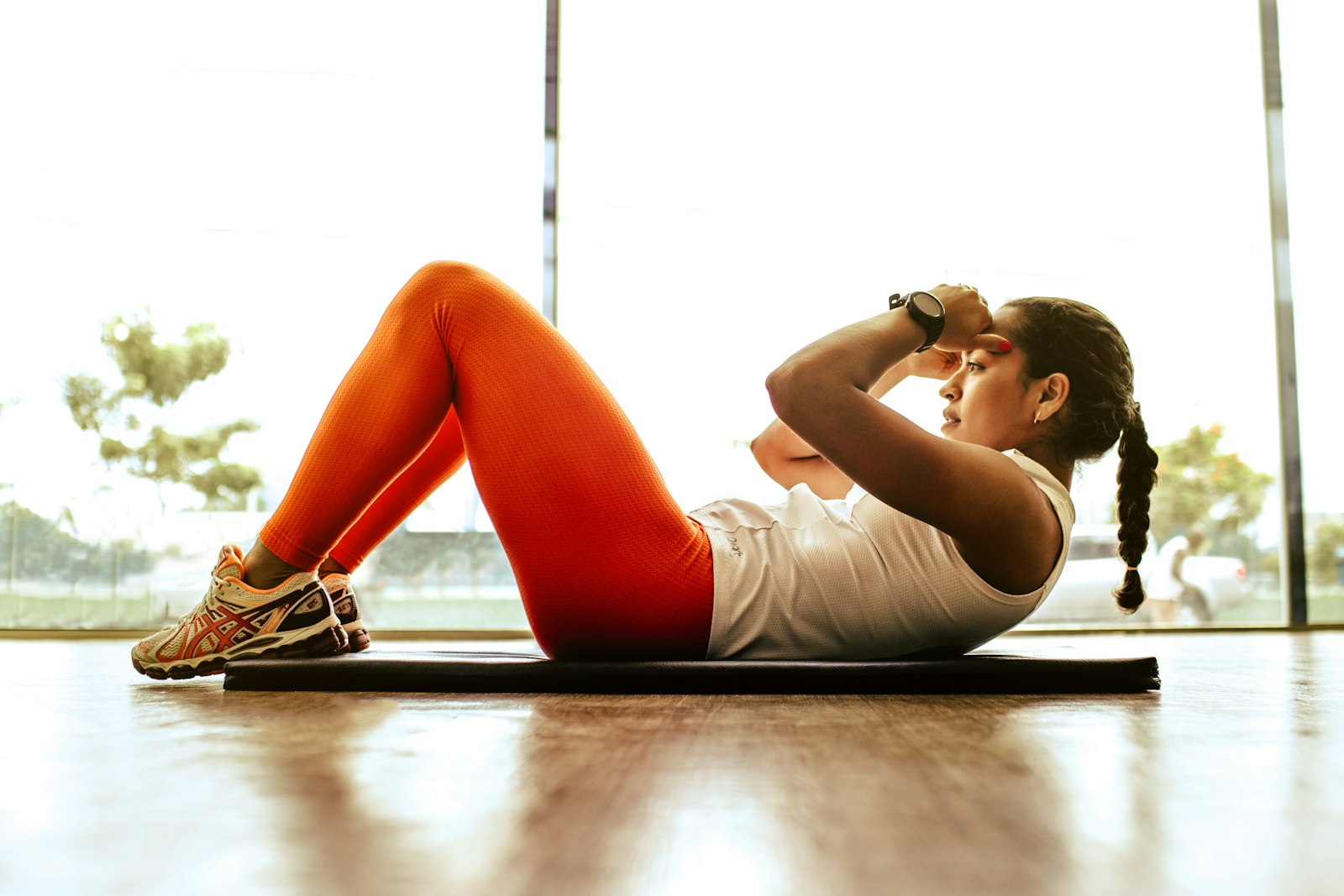
One of the most common conversations I have in the clinic at Hampton East goes something like this: "I've got this pain in my foot. I know I should rest, but I don't want to lose all the progress I've made at the gym. What do I do?"
It's a good question, and the honest answer almost never is "stop training for six weeks." For most foot niggles, the right move is smarter training, not no training. If you're a member at Berry Fitness in Edithvale — or you're thinking about coming back after a flare-up — this is what I'd tell a friend.
Pain is information, not a stop sign
Pain isn't a simple alarm. It's information about how much load a tissue is happy to take right now. Low-grade pain that settles quickly is often a sign that you're near your limit, not over it. Sharp, worsening pain that lingers after you stop is a sign you've pushed too far.
The problem is that most people default to one of two extremes: push through everything, or stop everything. Both tend to make things worse. Pushing through a reactive tendon usually ends in a much bigger flare. Going from five gym sessions a week to zero makes you deconditioned, stiff and anxious about your own body — which is a recipe for recurrence the moment you try to start again.
The 24-hour rule
My simplest working rule is this: a little discomfort during or after training is usually fine, as long as it's back to baseline within 24 hours and it's not getting worse week on week. If the pain you feel on Saturday morning is the same pain you felt on Friday morning, you're probably getting away with it. If it's worse, or it's showing up earlier in your sessions, something needs to change.
That principle lines up with the 2023 clinical guidelines for heel pain, which increasingly emphasise gradually loading tendon and plantar tissue rather than prolonged rest.
Modify, don't eliminate
For most common foot niggles, the trick is to modify the exact exercises that are aggravating things, not to strip your program back to nothing. A few quick examples:
- Heel pain / plantar fasciitis: Skip the barefoot HIIT for a bit, cut back on long treadmill runs, and swap in more seated or upper-body work. Heavy, slow calf raises — per Rathleff's high-load protocol — are often the single best thing you can add.
- Achilles pain: Dial back on plyometrics, box jumps and sprint work for a few weeks, and keep your strength work going. Slow, heavy isometric and eccentric calf loading is your friend.
- Ball-of-foot pain (metatarsalgia): Check your shoes, avoid long stints in minimalist trainers, and shorten your stride on the treadmill. Keep lifting — just make sure you're not standing on a very thin sole for 45 minutes of HIIT.
- Outer ankle niggles: Watch for anything unilateral, like single-leg step-ups or lunges on an unstable surface. Replace with bilateral work (goblet squats, leg press) for a week or two while it settles.
The gym is actually where you want to be
When a foot is grumpy, a lot of people assume outdoor running and walking are "safer" because they're natural. Often the opposite is true. On the road or a bayside trail, you don't control the surface, the gradient, the distance, or the moment you decide to stop. In a gym, you control all of that.
A stationary bike, a rower, or a ski erg can give you an excellent cardio session with a fraction of the load going through the sore tissue. You can keep strength training your legs with partial squats, leg press, Romanian deadlifts, hamstring curls and hip thrusts — all exercises that load the big muscles without beating up an irritated plantar fascia or Achilles.
Mobility-focused work is a good idea too. A Pilates or Yoga class will keep your hips, ankles and core strong while the foot cools down, and those sessions tend to be very forgiving on the feet.
When to stop and get it checked
There are still a few situations where the right answer is "stop and get it looked at": pain that wakes you at night, pain that doesn't settle at all over two weeks of sensible modification, visible swelling or bruising, or a feeling that the foot is giving way. Any of those and it's worth booking in with a podiatrist or physio rather than guessing.
If you're not sure whether something is "sensible to train around" or "needs to be looked at," have a quick chat with one of the trainers at Berry on the floor. They see a lot of bodies a lot of the time, and they're usually very good at pointing out when something has stepped out of the "keep going" category into the get it checked category.
Keep moving, smarter
The best thing you can do for a sore foot is almost never to do nothing. It's to stay active, stay connected to the gym, modify what you have to, and let the tissue settle while the rest of you keeps getting stronger. That way, when the foot comes good, you haven't lost all the fitness you spent months building.