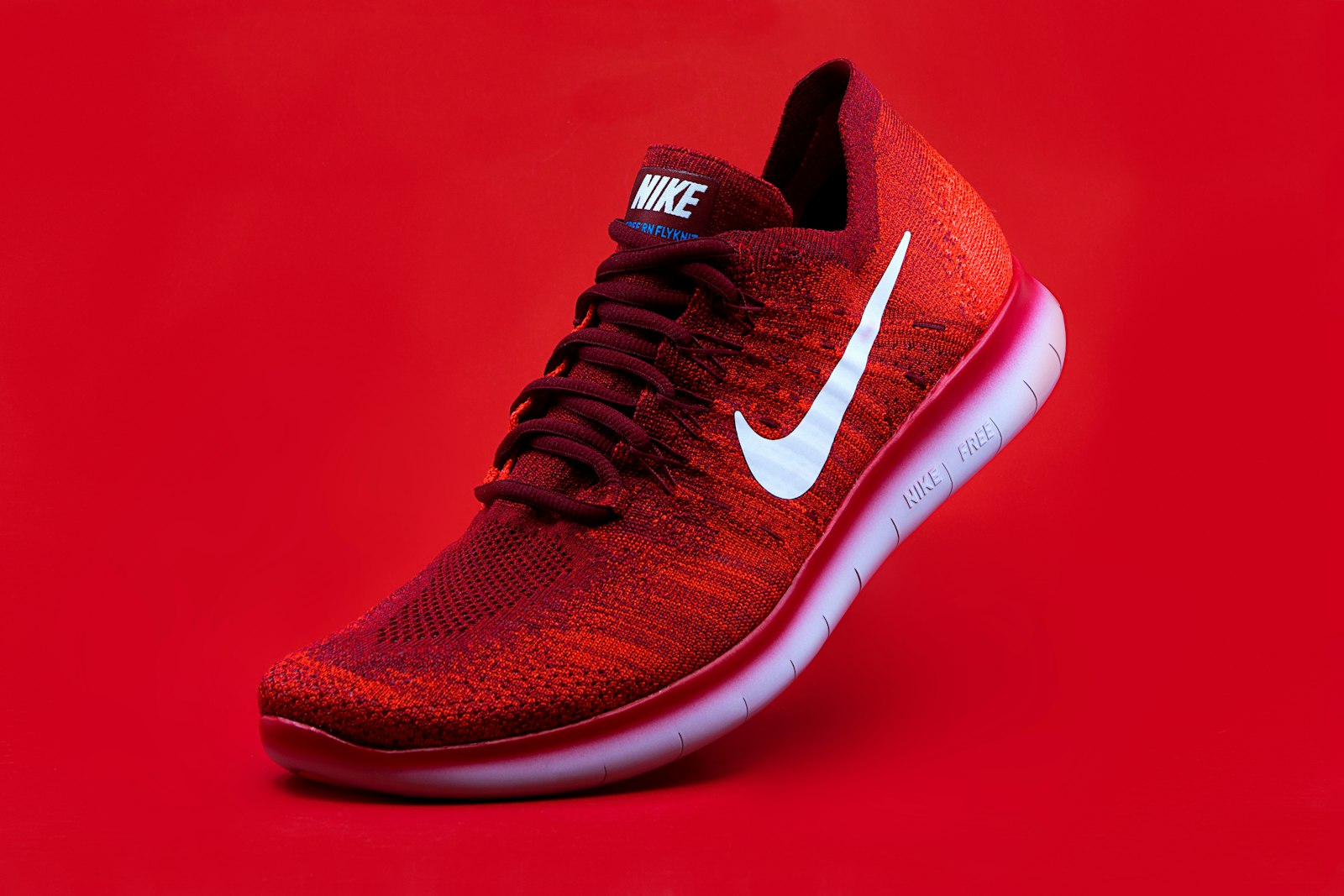
Walk across a busy gym floor on any given morning and you'll see it: someone squatting in bulky cushioned runners, someone else sprinting on the treadmill in flat canvas sneakers, a newer member doing a whole session in the shoes they wore to the supermarket. Most of the time, nobody gets hurt. But over weeks and months, the wrong shoe for the wrong job is one of the most common reasons people start feeling niggles in their knees, hips, shins and feet.
As a podiatrist who sees a lot of gym-goers in the clinic, I thought it was worth writing up what actually matters when you're choosing shoes for the gym — and what I wish more people knew before they walk through the door at Berry Fitness 24|7.
The shoe has to match the job
The single biggest mistake I see is treating "gym shoes" as one category. They aren't. A running shoe, a lifting shoe and a cross-training shoe are built for very different forces, and trying to use one for all three is a bit like showing up to a tennis match in football boots.
Running shoes are designed to absorb repetitive vertical impact and help your foot roll through a gait cycle. Lifting shoes are designed to give you a stable, firm base so force can travel from the floor up through your legs. Cross-trainers sit somewhere in the middle and try not to be terrible at either.
Why running shoes have arch support
Running shoes tend to have a raised heel, a softer midsole and more arch support because running is, at the extreme end, hundreds of single-leg impacts per minute. A 2021 JOSPT study looking at running-related injuries makes the point pretty clearly: cushioning and support matter more as mileage goes up. Your foot doesn't need as much help when you're walking to the car; it needs a lot of help over 10km at tempo pace.
Other research in new runners shows the same pattern — beginners who jump straight into minimalist shoes before their calves, arches and Achilles have adapted tend to end up in clinics like ours with overuse issues. A well-cushioned, supportive shoe is a sensible starting point for most people.
Why those same shoes can wreck a lifter
Here's where it gets interesting. The exact same features that make a running shoe great for running — squishy foam, a raised heel, a rocker shape — are the features that make it a poor choice for heavy lifting.
When you're squatting or deadlifting, you want force to travel cleanly from the floor through your foot into the bar. A soft midsole is, quite literally, a sponge between you and the ground. You push down and the shoe compresses; your balance shifts; your knees might drift inward; the bar path wanders.
There is useful research on heel heights in squatting showing that a small, firm heel lift can actually help many people sit into a deeper squat with better trunk position — but "small and firm" is very different to a 35mm chunk of running foam. That's why you'll see experienced lifters in the gym wearing flat shoes, lifters with a firm block heel, or simply going barefoot on the platform.
What to wear for what
Here's the simple version I'd give most people who train at Berry:
- Running and treadmill work: A dedicated running shoe with cushioning that suits your weight and distance. Replace them every 600–800km.
- Heavy barbell days (squat, deadlift, clean): A flat, firm shoe (think Converse-style) or a proper lifting shoe with a raised, solid heel. Running shoes are the worst possible choice here.
- HIIT, functional fitness, group classes: A cross-trainer with a firmer, lower midsole. Stable enough for lunges and box jumps, forgiving enough for short runs.
- Technique and skill days (mobility, stretching, light pilates): Barefoot or socks on the mat is completely fine — in fact, it's often better for foot awareness.
If you do all of the above in a single session — which is what Berry's group fitness timetable often looks like — a cross-trainer is the most honest compromise. Just don't use it for a dedicated heavy lifting block or for half-marathon training.
When in doubt, get it looked at
If you've been getting niggles in your arches, knees or shins and you've been training in the same pair of shoes for everything, that's usually the first place to look. It's an easy thing to fix and, compared to re-doing an injury, it's cheap.
The trainers at Berry — Dan, Archie, Jake and Kayleigh — are very used to pointing people toward the right shoe for the session they're doing, and if something's not settling down with a shoe swap, that's when it's worth coming to see a podiatrist for a proper gait and loading assessment.